

⚡
Presentation
Anda bilang:
My name is Wibi, and I am a passionate and results-driven Electrical Engineer with over four years of hands-on experience in the field of electrical and electronics engineering. My core expertise lies in microcontroller coding, Internet of Things (IoT) systems, and Printed Circuit Board (PCB) design. Over the years, I have had the privilege of working on a wide variety of challenging and impactful engineering projects, where I applied my knowledge of embedded systems and digital electronics to create innovative solutions.
From the early stages of my academic journey, I was drawn to the precision and creativity that electrical engineering demands. During university, I began working extensively with Arduino boards, AVR, and PIC microcontrollers, exploring how software and hardware interact to produce smart systems. My curiosity soon evolved into mastery, and today, I can confidently say that I have designed and implemented dozens of embedded systems, ranging from simple sensor nodes to complex, multi-device IoT networks. These systems were not only functional but also optimized for energy efficiency, reliability, and scalability.
Throughout my career, I have been deeply involved in the design, simulation, and fabrication of PCBs for various applications, including smart home automation, renewable energy systems, and industrial monitoring devices. Using tools like Altium Designer, Eagle, and KiCad, I created both single-layer and multi-layer PCBs, ensuring signal integrity, thermal management, and compact layout—all of which are critical factors in embedded system design. My ability to design hardware that seamlessly integrates with firmware has been a key factor in the success of my projects.
In terms of microcontroller coding, I have written thousands of lines of code in C, C++, and embedded C, creating drivers, communication protocols (I2C, SPI, UART, etc.), and control algorithms for various sensors, actuators, and peripherals. I’ve also worked with RTOS (Real-Time Operating Systems) for applications that require deterministic performance and concurrency. Many of my projects used wireless communication protocols such as Wi-Fi, Bluetooth, Zigbee, and LoRa, especially in the context of IoT applications. My proficiency with these technologies allowed me to build smart and responsive systems for environmental monitoring, energy metering, industrial automation, and beyond.
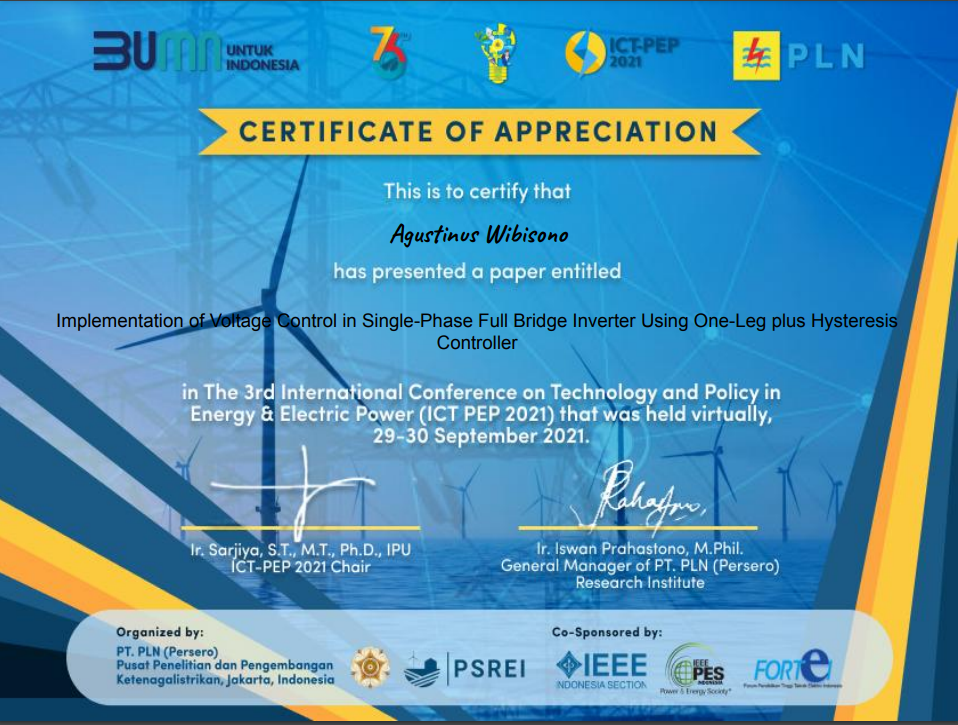
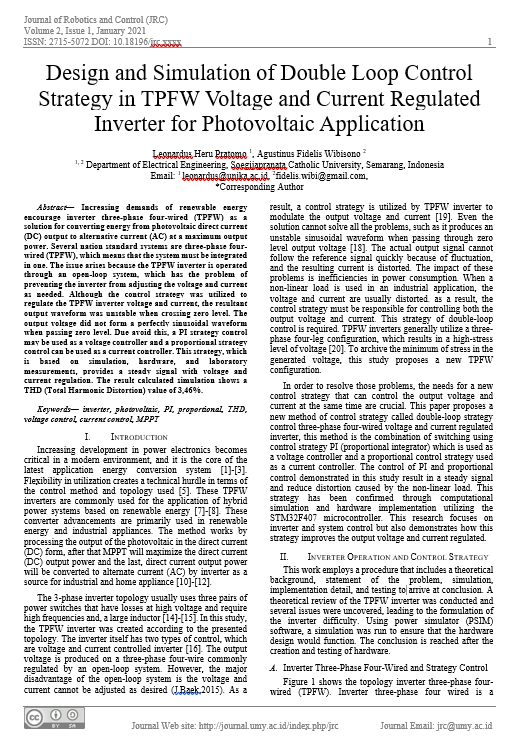
In addition to practical engineering work, I am also deeply engaged in academic research. I have published multiple IEEE papers and articles in international journals, focusing on the latest developments in power electronics and control strategies. One of my most notable works is titled “Implementation of Voltage Control in Single-Phase Full Bridge Inverter Using One-Leg Plus Hysteresis Controller.” In this paper, I explored how non-conventional switching techniques can improve voltage regulation in inverter systems, contributing to the efficient operation of power converters. Another significant publication is “Design and Simulation of Double Loop Control Strategy in TPFW Voltage and Current Regulated Inverter for Photovoltaic Application,” which detailed the use of feedback control mechanisms in solar inverter systems to stabilize both voltage and current outputs. These papers reflect my commitment not only to practicing engineering but also to advancing the body of knowledge in the field.
Working on research projects has strengthened my analytical thinking, attention to detail, and ability to apply theoretical concepts in real-world scenarios. It also gave me the opportunity to collaborate with professors, graduate students, and industry professionals. Through these collaborations, I learned to communicate technical ideas clearly and effectively—both in writing and in presentations. These experiences have also improved my project management skills, as I often had to meet strict deadlines, manage multiple responsibilities, and document every aspect of my work.
As technology continues to evolve, I have made it a point to stay updated with the latest trends in Industry 4.0, AI integration in IoT, and smart energy systems. I regularly take online courses, attend technical webinars, and participate in engineering forums. I believe that continuous learning is vital for any engineer, especially in such a fast-moving field. I have also mentored junior engineers and interns, helping them navigate complex topics and develop hands-on skills through guided projects.
What sets me apart as an engineer is not only my technical ability but also my dedication to innovation, collaboration, and practical problem-solving. I am known for my ability to take initiative, adapt to new challenges, and consistently deliver high-quality results. Whether working independently or as part of a team, I strive to maintain a balance between creativity and precision. I approach each project with a mindset that combines engineering rigor with curiosity and imagination.
I am also experienced in interdisciplinary collaboration. In many of my past projects, I worked alongside software developers, mechanical engineers, and data scientists. For example, in a smart agriculture project, I designed sensor nodes and wireless data transmission modules, while collaborating with a backend developer who created the data visualization dashboard. These cross-functional experiences have taught me how to align technical development with user requirements and broader project goals.
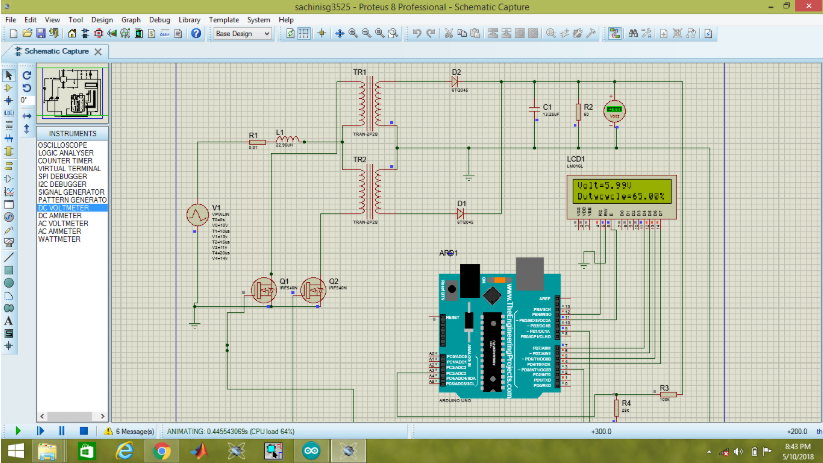
Furthermore, I have a strong foundation in simulation and modeling tools such as MATLAB/Simulink, Proteus, and Multisim, which I often use during the prototyping phase to test ideas before physical implementation. This step saves time and resources while ensuring that the system behaves as expected under various operating conditions.
My goal as an electrical engineer is to create technologies that make a difference—whether in renewable energy, automation, health tech, or smart cities. I believe technology should be accessible, efficient, and built with purpose. I am especially interested in joining a team that values research-driven innovation, ethical engineering, and sustainable development.
I am currently seeking opportunities where I can contribute my engineering experience, research background, and passion for embedded systems to drive impactful projects forward. I am excited to bring my expertise in microcontroller coding, IoT, and PCB design to a collaborative team where I can continue to grow professionally and make meaningful contributions. I look forward to solving complex challenges, learning from diverse colleagues, and helping shape the future of intelligent and sustainable technologies.
My name is Wibi, and I am a passionate and results-driven Electrical Engineer with over four years of hands-on experience in the field of electrical and electronics engineering. My core expertise lies in microcontroller coding, Internet of Things (IoT) systems, and Printed Circuit Board (PCB) design. Over the years, I have had the privilege of working on a wide variety of challenging and impactful engineering projects, where I applied my knowledge of embedded systems and digital electronics to create innovative solutions.
From the early stages of my academic journey, I was drawn to the precision and creativity that electrical engineering demands. During university, I began working extensively with Arduino boards, AVR, and PIC microcontrollers, exploring how software and hardware interact to produce smart systems. My curiosity soon evolved into mastery, and today, I can confidently say that I have designed and implemented dozens of embedded systems, ranging from simple sensor nodes to complex, multi-device IoT networks. These systems were not only functional but also optimized for energy efficiency, reliability, and scalability.
Throughout my career, I have been deeply involved in the design, simulation, and fabrication of PCBs for various applications, including smart home automation, renewable energy systems, and industrial monitoring devices. Using tools like Altium Designer, Eagle, and KiCad, I created both single-layer and multi-layer PCBs, ensuring signal integrity, thermal management, and compact layout—all of which are critical factors in embedded system design. My ability to design hardware that seamlessly integrates with firmware has been a key factor in the success of my projects.
In terms of microcontroller coding, I have written thousands of lines of code in C, C++, and embedded C, creating drivers, communication protocols (I2C, SPI, UART, etc.), and control algorithms for various sensors, actuators, and peripherals. I’ve also worked with RTOS (Real-Time Operating Systems) for applications that require deterministic performance and concurrency. Many of my projects used wireless communication protocols such as Wi-Fi, Bluetooth, Zigbee, and LoRa, especially in the context of IoT applications. My proficiency with these technologies allowed me to build smart and responsive systems for environmental monitoring, energy metering, industrial automation, and beyond.
In addition to practical engineering work, I am also deeply engaged in academic research. I have published multiple IEEE papers and articles in international journals, focusing on the latest developments in power electronics and control strategies. One of my most notable works is titled “Implementation of Voltage Control in Single-Phase Full Bridge Inverter Using One-Leg Plus Hysteresis Controller.” In this paper, I explored how non-conventional switching techniques can improve voltage regulation in inverter systems, contributing to the efficient operation of power converters. Another significant publication is “Design and Simulation of Double Loop Control Strategy in TPFW Voltage and Current Regulated Inverter for Photovoltaic Application,” which detailed the use of feedback control mechanisms in solar inverter systems to stabilize both voltage and current outputs. These papers reflect my commitment not only to practicing engineering but also to advancing the body of knowledge in the field.
Working on research projects has strengthened my analytical thinking, attention to detail, and ability to apply theoretical concepts in real-world scenarios. It also gave me the opportunity to collaborate with professors, graduate students, and industry professionals. Through these collaborations, I learned to communicate technical ideas clearly and effectively—both in writing and in presentations. These experiences have also improved my project management skills, as I often had to meet strict deadlines, manage multiple responsibilities, and document every aspect of my work.
As technology continues to evolve, I have made it a point to stay updated with the latest trends in Industry 4.0, AI integration in IoT, and smart energy systems. I regularly take online courses, attend technical webinars, and participate in engineering forums. I believe that continuous learning is vital for any engineer, especially in such a fast-moving field. I have also mentored junior engineers and interns, helping them navigate complex topics and develop hands-on skills through guided projects.
What sets me apart as an engineer is not only my technical ability but also my dedication to innovation, collaboration, and practical problem-solving. I am known for my ability to take initiative, adapt to new challenges, and consistently deliver high-quality results. Whether working independently or as part of a team, I strive to maintain a balance between creativity and precision. I approach each project with a mindset that combines engineering rigor with curiosity and imagination.
I am also experienced in interdisciplinary collaboration. In many of my past projects, I worked alongside software developers, mechanical engineers, and data scientists. For example, in a smart agriculture project, I designed sensor nodes and wireless data transmission modules, while collaborating with a backend developer who created the data visualization dashboard. These cross-functional experiences have taught me how to align technical development with user requirements and broader project goals.
Furthermore, I have a strong foundation in simulation and modeling tools such as MATLAB/Simulink, Proteus, and Multisim, which I often use during the prototyping phase to test ideas before physical implementation. This step saves time and resources while ensuring that the system behaves as expected under various operating conditions.
My goal as an electrical engineer is to create technologies that make a difference—whether in renewable energy, automation, health tech, or smart cities. I believe technology should be accessible, efficient, and built with purpose. I am especially interested in joining a team that values research-driven innovation, ethical engineering, and sustainable development.
I am currently seeking opportunities where I can contribute my engineering experience, research background, and passion for embedded systems to drive impactful projects forward. I am excited to bring my expertise in microcontroller coding, IoT, and PCB design to a collaborative team where I can continue to grow professionally and make meaningful contributions. I look forward to solving complex challenges, learning from diverse colleagues, and helping shape the future of intelligent and sustainable technologies.
🖼️
Portfolio
🛠️
Offered services
📋
Background
Bachelor
Electrical engineering graduation
🇬🇧English 🇮🇩Indonesian
🕐
Working hours
Monday
From08h00To18h00
Tuesday
From08h00To18h00
Wednesday
From08h00To18h00
Thursday
From08h00To18h00
Friday
From08h00To18h00
Saturday
Closed
Sunday ▪ Today
Closed
⭐
Reviews
Please sign in as a customer to give your feedback
💬
No reviews yet.
Be the first to share your experience with this professional.