

⚡
Presentation
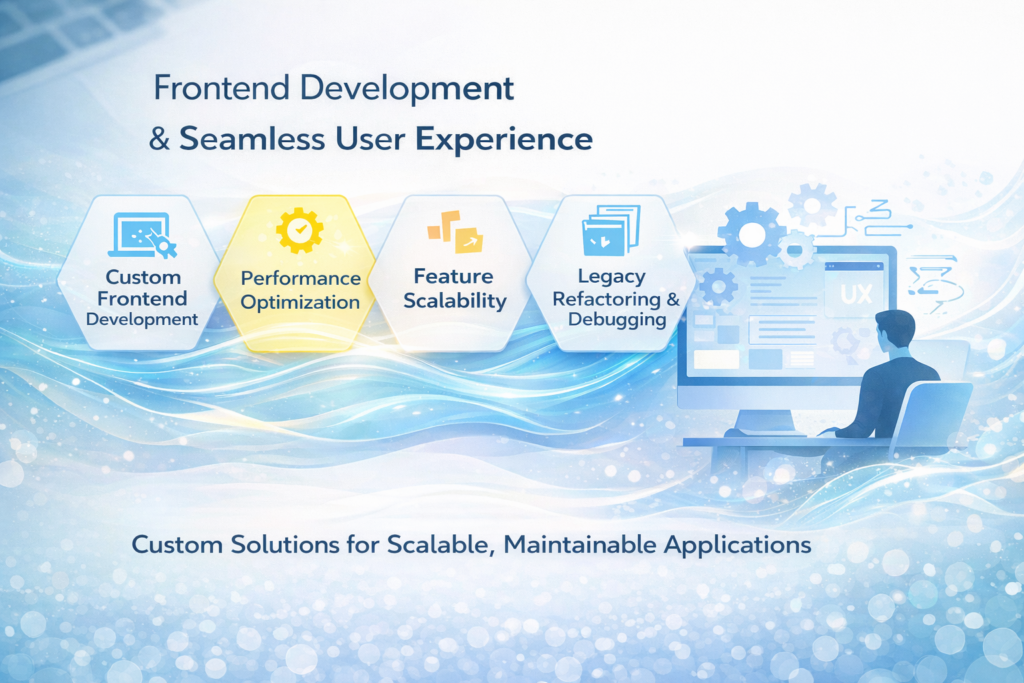
I help product and application teams solve complex frontend challenges and scale with confidence. With 16+ years of experience in UI engineering, React, and JavaScript, I specialize in performance optimization, refactoring large codebases, debugging critical production issues, and delivering scalable features aligned with business goals and a consistent user experience.
As a self-driven engineer, I take full ownership of my work—delivering as a consistent performer dedicated to high product quality, reliable execution, and total client satisfaction.
Core Services Offered
Complex Problem Solving & Codebase Modernization
Debugging mission-critical production issues and fixing high-priority frontend bottlenecks.
Refactoring legacy JavaScript and React codebases into clean, scalable, and maintainable architectures.
Auditing and optimizing application performance and client-side rendering speed.
UI/UX Engineering & Modernization
Converting complex design files into pixel-perfect, highly intuitive frontend components.
Enhancing overall user experience with intuitive flows, visual polish, and responsive cross-device layouts.
Elevating product usability to ensure an engaging, friction-free user journey.
Scalable Design Systems & Component Libraries
Building maintainable component libraries using React and TypeScript.
Establishing structured design systems to ensure visual and UI consistency as products scale.
Creating predictable frontend patterns to accelerate product roadmaps and feature delivery.
End-to-End Feature Delivery
Building production-ready, client-side web setups with modern React patterns.
Seamless RESTful API integrations powering dynamic, data-driven user interfaces.
Why Work With Me?
Self-Driven Ownership: I take complete responsibility for deliverables, proactively identifying issues and delivering results with minimal supervision.
Consistent Performer: 16+ years of proven dependability in stepping into existing codebases, resolving tough architectural blockers, and hitting deadlines.
Product-Quality Focus: Committed to exceptional UI polish, performance integrity, and long-term client satisfaction on every project.
As a self-driven engineer, I take full ownership of my work—delivering as a consistent performer dedicated to high product quality, reliable execution, and total client satisfaction.
Core Services Offered
Complex Problem Solving & Codebase Modernization
Debugging mission-critical production issues and fixing high-priority frontend bottlenecks.
Refactoring legacy JavaScript and React codebases into clean, scalable, and maintainable architectures.
Auditing and optimizing application performance and client-side rendering speed.
UI/UX Engineering & Modernization
Converting complex design files into pixel-perfect, highly intuitive frontend components.
Enhancing overall user experience with intuitive flows, visual polish, and responsive cross-device layouts.
Elevating product usability to ensure an engaging, friction-free user journey.
Scalable Design Systems & Component Libraries
Building maintainable component libraries using React and TypeScript.
Establishing structured design systems to ensure visual and UI consistency as products scale.
Creating predictable frontend patterns to accelerate product roadmaps and feature delivery.
End-to-End Feature Delivery
Building production-ready, client-side web setups with modern React patterns.
Seamless RESTful API integrations powering dynamic, data-driven user interfaces.
Why Work With Me?
Self-Driven Ownership: I take complete responsibility for deliverables, proactively identifying issues and delivering results with minimal supervision.
Consistent Performer: 16+ years of proven dependability in stepping into existing codebases, resolving tough architectural blockers, and hitting deadlines.
Product-Quality Focus: Committed to exceptional UI polish, performance integrity, and long-term client satisfaction on every project.
🖼️
Portfolio
🛠️
Offered services

📋
Background
Independent AI Frontend Researcher & UI Consultan
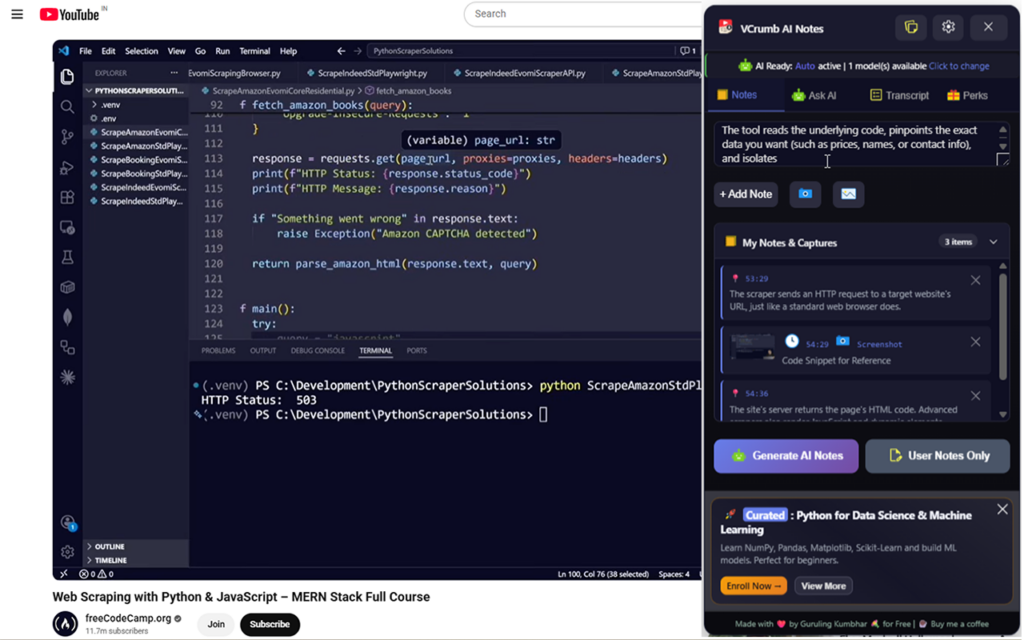
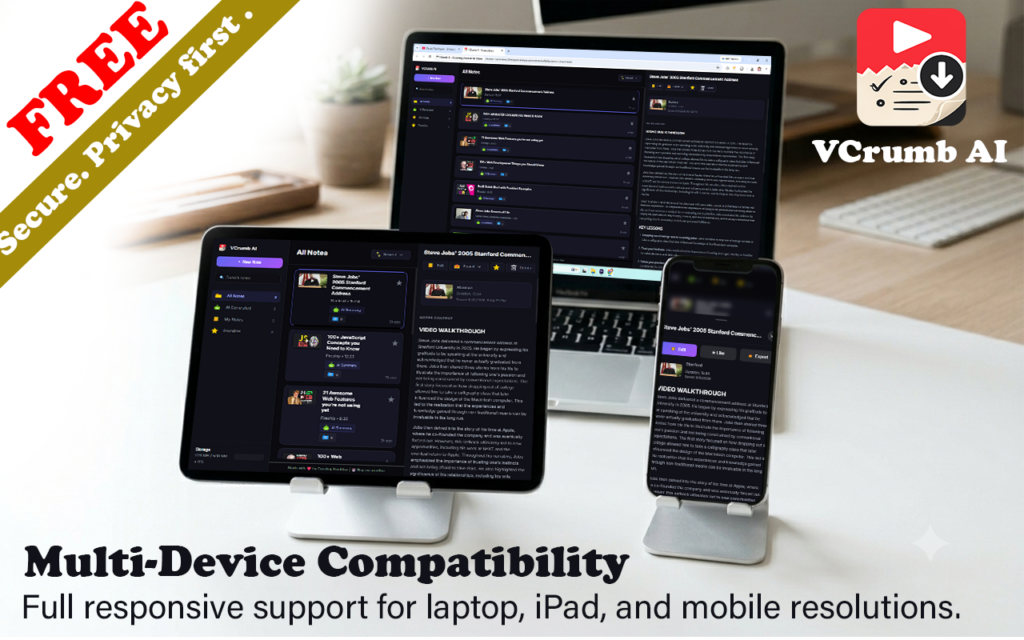
• Spearheaded R&D and rapid application prototyping for VCrumb AI, focusing on AI-assisted frontend workflows, dynamic component generation, and intelligent UI integrations.
• Built performance-first prototype interfaces leveraging React.js, TypeScript, and modern state management patterns to evaluate generative UI behaviors.
• Explored practical integration strategies for LLMs within web applications, testing streaming responses, fallback UI states, and client-side execution efficiency.
• Consulted on enterprise frontend architecture strategies, performance audits, and UI component standardization for client platforms.
• Applied 17+ years of UI engineering experience to bridge traditional web architecture with emerging AI capabilities for enhanced developer productivity.
• Built performance-first prototype interfaces leveraging React.js, TypeScript, and modern state management patterns to evaluate generative UI behaviors.
• Explored practical integration strategies for LLMs within web applications, testing streaming responses, fallback UI states, and client-side execution efficiency.
• Consulted on enterprise frontend architecture strategies, performance audits, and UI component standardization for client platforms.
• Applied 17+ years of UI engineering experience to bridge traditional web architecture with emerging AI capabilities for enhanced developer productivity.
Frontend Architect
• Architected scalable, high-performance frontend solutions using React.js and TypeScript for mission-critical enterprise applications across Healthcare and Global Security sectors.
• Led frontend performance engineering initiatives, achieving consistent Lighthouse scores of 95+ and reducing page load times by 30–40% via code-splitting, lazy loading, and bundle optimization.
• Designed and established organization-wide frontend coding standards, reusable component libraries, and modular design patterns to accelerate multi-team feature delivery.
• Conducted architectural code reviews, ensured adherence to strict quality guidelines, and resolved complex rendering, state isolation, and browser compatibility bottlenecks.
• Mentored mid-to-senior frontend engineers, establishing structured technical growth plans and fostering modern frontend engineering best practices.
• Collaborated directly with Product Managers and UX/UI Designers to evaluate architectural feasibility, converting complex user journeys into robust, production-grade applications.
• Led frontend performance engineering initiatives, achieving consistent Lighthouse scores of 95+ and reducing page load times by 30–40% via code-splitting, lazy loading, and bundle optimization.
• Designed and established organization-wide frontend coding standards, reusable component libraries, and modular design patterns to accelerate multi-team feature delivery.
• Conducted architectural code reviews, ensured adherence to strict quality guidelines, and resolved complex rendering, state isolation, and browser compatibility bottlenecks.
• Mentored mid-to-senior frontend engineers, establishing structured technical growth plans and fostering modern frontend engineering best practices.
• Collaborated directly with Product Managers and UX/UI Designers to evaluate architectural feasibility, converting complex user journeys into robust, production-grade applications.
Technical Lead - UI
• Led end-to-end technical execution and UI delivery for large-scale web applications in EdTech and Enterprise domains, driving sprint planning and engineering quality.
• Designed and implemented robust state management architectures using Redux and Context API, minimizing redundant component re-renders and improving client-side responsiveness.
• Partnered closely with UX teams to convert complex Figma design systems into pixel-perfect, accessible, and fully responsive frontend component libraries.
• Provided hands-on technical guidance, conducted regular code reviews, and resolved critical technical hurdles across multi-functional delivery teams.
• Designed and implemented robust state management architectures using Redux and Context API, minimizing redundant component re-renders and improving client-side responsiveness.
• Partnered closely with UX teams to convert complex Figma design systems into pixel-perfect, accessible, and fully responsive frontend component libraries.
• Provided hands-on technical guidance, conducted regular code reviews, and resolved critical technical hurdles across multi-functional delivery teams.
Senior Web Developer
• Developed responsive, data-driven web applications using modern JavaScript (ES6+), HTML5, CSS3, and RESTful web service.
• Diagnosed and fixed complex cross-browser rendering inconsistencies, memory leaks, and performance bottlenecks across enterprise portals.
• Worked alongside backend engineering teams to define REST API contracts, ensuring optimal payload structures and smooth frontend-backend integration.
• Contributed to the continuous evolution of internal UI development practices, component reusability, and code documentation standards.
• Diagnosed and fixed complex cross-browser rendering inconsistencies, memory leaks, and performance bottlenecks across enterprise portals.
• Worked alongside backend engineering teams to define REST API contracts, ensuring optimal payload structures and smooth frontend-backend integration.
• Contributed to the continuous evolution of internal UI development practices, component reusability, and code documentation standards.
Diploma in Drawing & Painting
B.com

AI for Product Managers
AI for Product Managers certification from HelloPM

Product Management Training (4 months live)
Product Management Training (4 months live) from HelloPM

Microsoft Certified Professional (MCP)
Exam 480: Programming in HTML5 with JavaScript and CSS3
Issued by Microsoft
Passing Exam 480: Programming in HTML5 with JavaScript and CSS3 validates a candidate’s ability to access and secure data as well as implement document structures, objects, and program flow.
Passing Exam 480: Programming in HTML5 with JavaScript and CSS3 validates a candidate’s ability to access and secure data as well as implement document structures, objects, and program flow.
Learn more
Earning Criteria
VALIDATE SKILLS IN THE FOLLOWING AREAS:
- Implement and manipulate document structures and objects
- Implement program flow
- Access and secure data
- Use CSS3 in applications
Issued by Microsoft
Passing Exam 480: Programming in HTML5 with JavaScript and CSS3 validates a candidate’s ability to access and secure data as well as implement document structures, objects, and program flow.
Passing Exam 480: Programming in HTML5 with JavaScript and CSS3 validates a candidate’s ability to access and secure data as well as implement document structures, objects, and program flow.
Learn more
Earning Criteria
VALIDATE SKILLS IN THE FOLLOWING AREAS:
- Implement and manipulate document structures and objects
- Implement program flow
- Access and secure data
- Use CSS3 in applications

Microsoft Technology Associate (MTA)
Exam 98-375: HTML5 Application Development Fundamentals-
Candidates for this exam are seeking to prove core HTML5 client application development skills that will run on today's touch-enabled devices (PCs, tablets, and phones). Although HTML is often thought of as a web technology that is rendered in a browser to produce a UI, this exam focuses on using HTML5, CSS3, and JavaScript to develop client applications. Before taking this exam, candidates should have solid foundational knowledge of the topics outlined in the preparation guide, including CSS and JavaScript. It is recommended that candidates be familiar with the concepts of and have some hands-on experience with the related technologies, either by taking relevant training courses or by working with tutorials and samples available on MSDN and in Microsoft Visual Studio.
Candidates for this exam are seeking to prove core HTML5 client application development skills that will run on today's touch-enabled devices (PCs, tablets, and phones). Although HTML is often thought of as a web technology that is rendered in a browser to produce a UI, this exam focuses on using HTML5, CSS3, and JavaScript to develop client applications. Before taking this exam, candidates should have solid foundational knowledge of the topics outlined in the preparation guide, including CSS and JavaScript. It is recommended that candidates be familiar with the concepts of and have some hands-on experience with the related technologies, either by taking relevant training courses or by working with tutorials and samples available on MSDN and in Microsoft Visual Studio.
🇬🇧English 🇮🇳Hindi
🕐
Working hours
Monday
From08h00To18h00
Tuesday
From08h00To18h00
Wednesday
From08h00To18h00
Thursday
From08h00To18h00
Friday
From08h00To18h00
Saturday
Closed
Sunday ▪ Today
Closed
⭐
Reviews
Please sign in as a customer to give your feedback
💬
No reviews yet.
Be the first to share your experience with this professional.