

⚡
Presentation
As an expert trainer in renewable energies, energy efficiency and Lean manufacturing, I am led to train professionals to optimize the use of energy resources and to integrate sustainable practices. I also provide training on the principles of energy efficiency, the integration of renewable energies (solar, wind, etc.), and Lean methodologies to improve industrial performance while reducing costs and ecological footprint. Its mission is to transmit skills that combine productivity, sustainability and innovation in industrial processes.
🛠️
Offered services

Industrial Project Manager
Freelance Service Offer: Industrial Project Manager
Subject: Industrial Project Management – Freelance Expertise
Dear Madam, Sir,
As an experienced professional in industrial project management, I o ...
1500 $
Study, Design, Installation and Maintenance
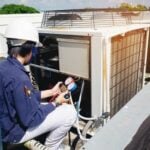
We are pleased to offer you our services for the study, design, installation and maintenance of your Heating, Ventilation and Air Conditioning (HVAC), central heating and heat pump systems.
Our ...
500 $
✂️
Continuous improvement
We provide industrial units of all sizes with our services in terms of continuous improvement and lean management of their manufacturing process and their supply chain from the downstream customer to ...
2000 $

Industrial Energy Audit
I provide industrialists with my services in terms of energy audits for their industrial units, the objective of which is to reduce their electrical energy consumption, heat, compressed air and water ...
2000 $

Tutoring
Offers math and physics tutoring for middle school, high school and university students.
Very competent and experienced profile.
Possibility of carrying out lessons and exercises at home for people ...
20 $

Formation
Offers support courses in mathematics, physics, logistics, transportation, international trade, Lean management, Lean Six Sigma, DMAIC, VSM, problem solving method, 5S, project management, PMP, ...
40 $ Per hour
📋
Background
Energy Audit Engineer
Certificate in Lean manufacturing, industrial project management and production management
The Lean Manufacturing Certificate, Industrial Project Management and Production Management course offered by Groupe Renault, at the Techno Centre and the Manufacturing School, is designed to develop key skills in the optimization of production processes, effective management of industrial projects, and continuous improvement in a manufacturing environment. Here are the main features of this training:
1. Lean Manufacturing
Fundamental concepts: learning the principles of Lean production, aimed at minimizing waste, improving efficiency, and optimizing the use of resources.
Lean tools: Use tools such as 5S, Value Stream Mapping (VSM), Just-in-Time (JIT), Kaizen, and Kanban to improve workflows.
Continuous improvement: implementation of continuous improvement strategies within production lines to increase quality and productivity.
2. Industrial Project Management
Project management methodologies: training in project management methods (project life cycles, risk analysis, stakeholder management) applied to the automotive industry.
Planning and coordination: techniques for planning, executing and monitoring industrial projects, with particular attention to cost reduction and meeting deadlines.
Management tools: Use of software and tools such as Gantt, PERT, and other project management techniques to track and deliver projects in complex environments.
3. Production management
Workflow optimization: analysis and improvement of factory workflows, using the principles of Lean Manufacturing and production management techniques.
Capacity and inventory management: planning production needs, inventory and supply management, as well as balancing production lines.
Quality and productivity: implementation of quality management systems to ensure compliance with automotive industry standards while increasing productivity.
4. Renault's industrial environment
Techno Centre and Manufacturing School: immersion in a real production environment with access to Groupe Renault's state-of-the-art infrastructure and technologies.
Practical case studies: analysis of real situations encountered in Renault plants and resolution of issues related to production, project management and continuous improvement.
Partnership with field teams: interaction with Renault engineers and technicians for a better understanding of modern industrial practices.
5. Skills acquired
Process improvement: Ability to identify and eliminate inefficiencies in production processes.
Complex project management: ability to manage large-scale industrial projects, from concept to implementation, while respecting time and budget objectives.
Operational Leadership: Developing leadership skills to coach production teams and manage continuous improvement initiatives.
6. Certificate and career opportunities
Skills validation: issuance of a certificate recognized in the automotive industry and other manufacturing sectors.
Possible careers: production manager, continuous improvement manager, industrial project manager, Lean engineer, or process optimization consultant.
This training allows participants to develop a rigorous and systematic approach to production and project management in the automotive industry, with a focus on operational efficiency and overall competitiveness.
1. Lean Manufacturing
Fundamental concepts: learning the principles of Lean production, aimed at minimizing waste, improving efficiency, and optimizing the use of resources.
Lean tools: Use tools such as 5S, Value Stream Mapping (VSM), Just-in-Time (JIT), Kaizen, and Kanban to improve workflows.
Continuous improvement: implementation of continuous improvement strategies within production lines to increase quality and productivity.
2. Industrial Project Management
Project management methodologies: training in project management methods (project life cycles, risk analysis, stakeholder management) applied to the automotive industry.
Planning and coordination: techniques for planning, executing and monitoring industrial projects, with particular attention to cost reduction and meeting deadlines.
Management tools: Use of software and tools such as Gantt, PERT, and other project management techniques to track and deliver projects in complex environments.
3. Production management
Workflow optimization: analysis and improvement of factory workflows, using the principles of Lean Manufacturing and production management techniques.
Capacity and inventory management: planning production needs, inventory and supply management, as well as balancing production lines.
Quality and productivity: implementation of quality management systems to ensure compliance with automotive industry standards while increasing productivity.
4. Renault's industrial environment
Techno Centre and Manufacturing School: immersion in a real production environment with access to Groupe Renault's state-of-the-art infrastructure and technologies.
Practical case studies: analysis of real situations encountered in Renault plants and resolution of issues related to production, project management and continuous improvement.
Partnership with field teams: interaction with Renault engineers and technicians for a better understanding of modern industrial practices.
5. Skills acquired
Process improvement: Ability to identify and eliminate inefficiencies in production processes.
Complex project management: ability to manage large-scale industrial projects, from concept to implementation, while respecting time and budget objectives.
Operational Leadership: Developing leadership skills to coach production teams and manage continuous improvement initiatives.
6. Certificate and career opportunities
Skills validation: issuance of a certificate recognized in the automotive industry and other manufacturing sectors.
Possible careers: production manager, continuous improvement manager, industrial project manager, Lean engineer, or process optimization consultant.
This training allows participants to develop a rigorous and systematic approach to production and project management in the automotive industry, with a focus on operational efficiency and overall competitiveness.
Energy Application Engineer
The training in Mechanical Energy Engineering is a multidisciplinary course that combines the fields of mechanics and energy, with the main objective of designing, modeling, and optimizing energy systems. Here are the main components of this training:
1. Fundamentals in mechanics
Fluid mechanics: the study of fluid flows, which are essential for understanding cooling, heating and energy production systems.
Solid mechanics: analysis of the strength of materials and structures for the design of machinery and energy equipment.
Thermodynamics: fundamental principles related to the conversion and use of energy, including thermodynamic cycles (Carnot, Rankine, Brayton, etc.).
2. Energy Systems
Renewable energies: study of energy production technologies from renewable sources (solar, wind, biomass, geothermal).
Thermal and refrigeration systems: design and optimization of air conditioning, heating, and refrigeration systems.
Thermal machines: operation of heat engines, turbines, and other devices that convert thermal energy into mechanical energy.
3. Energy optimization
Energy efficiency: techniques to reduce energy losses and maximize the performance of energy systems.
Simulation and modeling: the use of software to model thermal and mechanical systems and optimize their performance.
Energy management and storage: study of storage technologies (batteries, hydrogen, etc.) and their integration into energy networks.
4. Projects and internships
Industrial projects: implementation of concrete projects in partnership with companies in the energy sector, allowing the skills acquired to be put into practice.
Internships: periods in companies that allow students to confront real problems in the field of energy engineering.
5. Transversal skills
Project management: planning, managing resources and deadlines to complete complex projects.
Standards and regulations: mastery of safety, environmental and energy performance standards.
Sustainable development: design of solutions that respect the environment and promote the energy transition.
This training prepares engineers for careers in sectors such as energy (production and distribution), transportation, construction, and manufacturing, where energy optimization is crucial.
1. Fundamentals in mechanics
Fluid mechanics: the study of fluid flows, which are essential for understanding cooling, heating and energy production systems.
Solid mechanics: analysis of the strength of materials and structures for the design of machinery and energy equipment.
Thermodynamics: fundamental principles related to the conversion and use of energy, including thermodynamic cycles (Carnot, Rankine, Brayton, etc.).
2. Energy Systems
Renewable energies: study of energy production technologies from renewable sources (solar, wind, biomass, geothermal).
Thermal and refrigeration systems: design and optimization of air conditioning, heating, and refrigeration systems.
Thermal machines: operation of heat engines, turbines, and other devices that convert thermal energy into mechanical energy.
3. Energy optimization
Energy efficiency: techniques to reduce energy losses and maximize the performance of energy systems.
Simulation and modeling: the use of software to model thermal and mechanical systems and optimize their performance.
Energy management and storage: study of storage technologies (batteries, hydrogen, etc.) and their integration into energy networks.
4. Projects and internships
Industrial projects: implementation of concrete projects in partnership with companies in the energy sector, allowing the skills acquired to be put into practice.
Internships: periods in companies that allow students to confront real problems in the field of energy engineering.
5. Transversal skills
Project management: planning, managing resources and deadlines to complete complex projects.
Standards and regulations: mastery of safety, environmental and energy performance standards.
Sustainable development: design of solutions that respect the environment and promote the energy transition.
This training prepares engineers for careers in sectors such as energy (production and distribution), transportation, construction, and manufacturing, where energy optimization is crucial.
🇫🇷French 🇲🇦Arabic 🇲🇦Amazigh
🕐
Working hours
Monday
From08h30To18h30
☕From13h00To14h30
Tuesday
From08h30To18h30
☕From13h00To14h30
Wednesday ▪ Today
From08h00To18h00
Thursday
From08h00To18h00
Friday
From08h00To18h00
Saturday
From08h30To14h00
☕From11h30To12h00
Sunday
Closed
⭐
Reviews
Please sign in as a customer to give your feedback
💬
No reviews yet.
Be the first to share your experience with this professional.