
I will give you best suggestions on the Human Resources
📍 Remote · · 🕒 1 year ago
300 $
⚡
Service overview
Human Resources (HR) is the backbone of any successful organization, dedicated to managing the most valuable asset: its people. From recruitment to retirement, HR professionals ensure that employees are supported, engaged, and aligned with organizational goals.
Key Functions of HR:
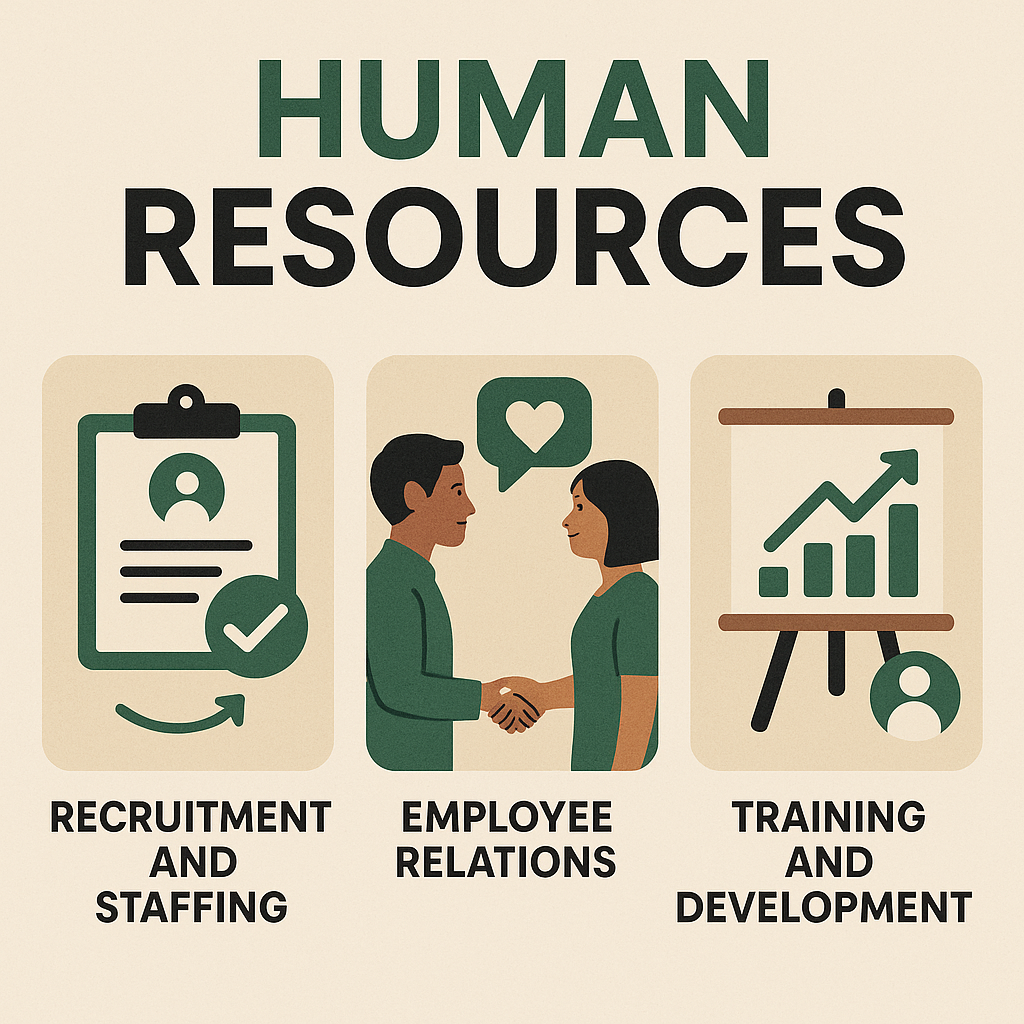
1. Recruitment and Staffing:
• Attracting, selecting, and onboarding the best talent for the company.
• Ensuring the right people are in the right roles.
2. Employee Relations:
• Building positive relationships between employees and management.
• Resolving workplace conflicts and promoting a harmonious work environment.
3. Training and Development:
• Identifying skill gaps and providing opportunities for professional growth.
• Creating programs to enhance employee competencies and leadership skills.
4. Compensation and Benefits:
• Designing competitive salary structures and benefits packages.
• Ensuring employees feel valued and rewarded for their contributions.
5. Compliance and Policies:
• Ensuring adherence to labor laws and company policies.
• Protecting the organization from legal risks.
6. Performance Management:
• Monitoring and evaluating employee performance.
• Developing systems to encourage feedback, growth, and recognition.
Why HR Matters:
• Builds a motivated, engaged, and productive workforce.
• Fosters a positive company culture.
• Aligns employee goals with organizational success.
• Manages change and drives innovation.
Whether you’re a small business or a large enterprise, a robust HR team ensures your organization thrives by investing in its most critical asset: its people.
Key Functions of HR:
1. Recruitment and Staffing:
• Attracting, selecting, and onboarding the best talent for the company.
• Ensuring the right people are in the right roles.
2. Employee Relations:
• Building positive relationships between employees and management.
• Resolving workplace conflicts and promoting a harmonious work environment.
3. Training and Development:
• Identifying skill gaps and providing opportunities for professional growth.
• Creating programs to enhance employee competencies and leadership skills.
4. Compensation and Benefits:
• Designing competitive salary structures and benefits packages.
• Ensuring employees feel valued and rewarded for their contributions.
5. Compliance and Policies:
• Ensuring adherence to labor laws and company policies.
• Protecting the organization from legal risks.
6. Performance Management:
• Monitoring and evaluating employee performance.
• Developing systems to encourage feedback, growth, and recognition.
Why HR Matters:
• Builds a motivated, engaged, and productive workforce.
• Fosters a positive company culture.
• Aligns employee goals with organizational success.
• Manages change and drives innovation.
Whether you’re a small business or a large enterprise, a robust HR team ensures your organization thrives by investing in its most critical asset: its people.
🖼️
Pictures
⭐
Reviews
Please sign in as a customer to give your feedback
💬
No reviews yet.
Be the first to share your experience with this professional.